
Non-Standard Property Insurance
Not every property fits the standard insurer’s criteria. Buildings with unusual construction, a history of flood risk, listed status, or non-traditional materials are often declined or poorly served by mainstream insurers, which can leave landlords struggling to find appropriate cover through ordinary channels.
Non-standard property insurance is designed for buildings that fall outside what most insurers consider straightforward to assess. We connect owners of unusual or specialist properties with brokers who have experience placing cover for non-standard buildings, including those that have previously been declined elsewhere.
What is Classed as a Non-Standard Property?
Insurers typically consider a property non-standard where its construction, condition, location, or use differs significantly from a conventional modern brick-built home. Common examples include:
- Thatched roofs – often viewed by insurers as presenting a higher fire risk than conventional roofing materials
- Flat roofs – particularly where covering a significant proportion of the building
- Listed buildings – where repair or reinstatement work must use specific materials or methods in line with listed building consent requirements
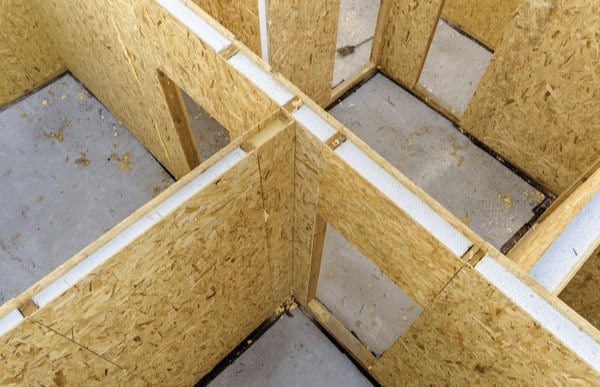
- Prefabricated or non-traditional construction – including steel-framed, timber-framed, or concrete panel construction
- Properties in flood risk zones – where the location has a known or registered flood risk history
- Converted buildings – properties converted from non-residential use, such as barns, churches, or industrial units
- Properties with subsidence history – where there has been previous movement or a subsidence claim
- Homes with high-value period features – where original fixtures, materials, or craftsmanship would be expensive or complex to reinstate
If your property has any of these characteristics, or has been declined by a mainstream insurer, a specialist broker will be better placed to discuss what cover may be available.
Why Standard Insurance is Often Not Sufficient?
Mainstream insurers typically price and underwrite property insurance based on standard brick-and-tile construction. When a property falls outside these parameters, a standard policy may not provide appropriate cover, or the insurer may apply exclusions that leave significant gaps.
For listed buildings, this is a particular consideration. Reinstatement following damage must comply with listed building consent conditions, which often means using traditional materials and specialist craftspeople. A standard rebuild cost calculation is unlikely to reflect the actual cost of reinstatement for a listed property, which means underinsurance is a real risk. It is worth ensuring any policy sum insured reflects an accurate specialist reinstatement valuation rather than a standard rebuild estimate.
Similarly, for thatched properties, not all insurers will cover thatched roofs, and those that do may apply specific conditions, for example, around the type of thatch, the presence of fire suppression systems, or restrictions on open fires and wood-burning stoves. A specialist broker can identify insurers whose criteria are appropriate for your property.
What Does Non-Standard Property Insurance Typically Cover?
Cover will vary between insurers and policies, but a non-standard insurance policy may include:
Buildings Insurance
Cover for the structure of the building against damage from fire, flood, storm, escape of water, and other insured events. For non-standard properties, accurate reinstatement values are particularly important. A specialist reinstatement valuation may be advisable for listed buildings or those with unusual construction.
Contents Insurance
For furnishings, fittings, and appliances within the property. For properties with valuable period features or bespoke fixtures, the appropriate level of contents cover may be higher than for a standard property.

Property Owners’ Liability Insurance
Cover for legal costs and compensation if a person is injured on the property and the owner is found liable. For non-standard properties, where the building itself may present unusual risks, this cover is an important consideration.
Alternative Accommodation Cover
If the property becomes uninhabitable following an insured event and your tenant is unable to remain in the property, this cover may assist with the cost of alternative accommodation for the duration of repairs. Given that reinstatement of a non-standard property can take considerably longer than a conventional repair, particularly for listed or thatched buildings, the duration of cover is worth checking.
Home Emergency Assistance
Access to emergency repair services for urgent issues such as burst pipes, electrical failure, or loss of heating. For properties with specialist construction or unusual features, emergency repair may require tradespeople with specific expertise, and standard emergency cover may not always be appropriate. A broker can advise on what is included.
Malicious Damage by Tenants
Subject to policy terms and insurer criteria, some policies may include cover for deliberate damage caused by tenants. For non-standard properties where specialist repair is required, the cost of making good malicious damage can be significantly higher than for a conventional building.
Floor Risk Properties
If your property is in a flood risk area, arranging insurance can be more challenging. The Flood Re scheme (a joint initiative between the UK government and insurance industry) is designed to help make flood insurance more accessible and affordable for eligible properties. However, Flood Re applies to residential properties built before 1 January 2009 and does not cover buy-to-let properties or commercial properties.
If your rental property is in a flood risk area, a specialist broker can advise on what options may be available, including insurers who operate outside the Flood Re scheme and assess flood risk properties on an individual basis.
How It Works
Fill in one short form with details about your property, such as its construction type, any non-standard features, its current use, and the tenancy arrangement in place. Specialist brokers experienced in placing non-standard property insurance will be in touch to discuss your requirements and the cover options that may be available.
There is no obligation to proceed, and no need to approach multiple providers separately.